How to Diagnose and Fix an Immobilizer Fault in Your Nissan
Understanding the Key Symbol on Your Nissan Dashboard
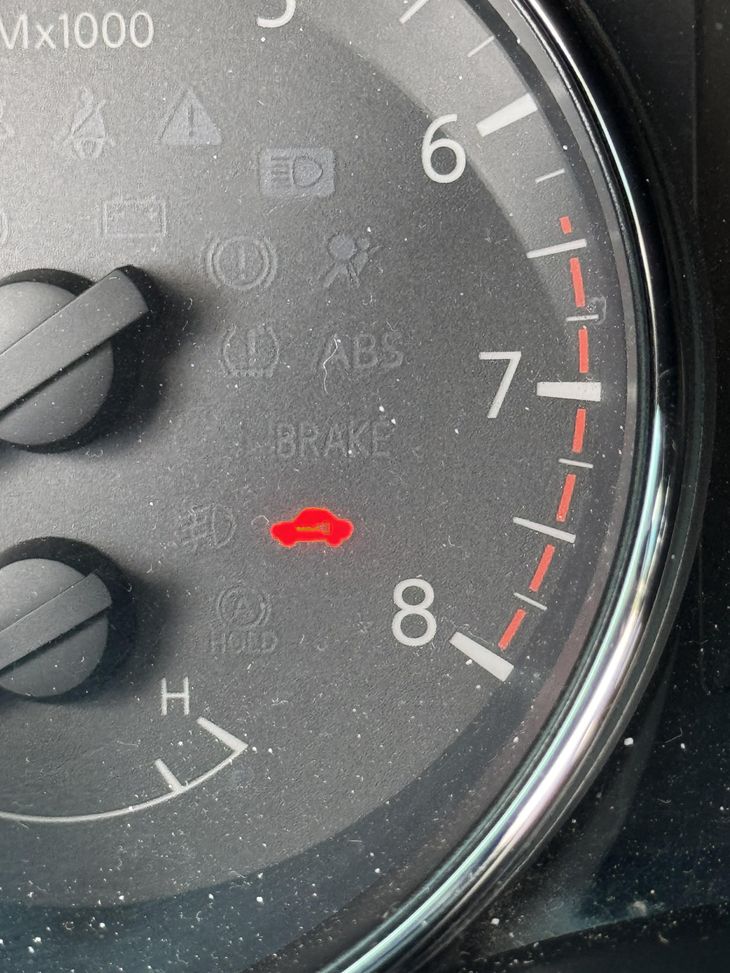
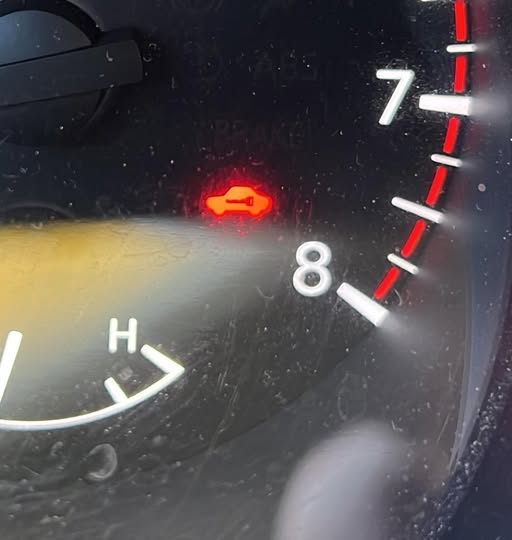
If you own a Nissan and have noticed a small key symbol glowing on the dashboard, you are likely dealing with a security system issue. That icon is not just a friendly reminder to grab your keys. It is a warning from the Nissan anti-theft system, specifically the immobilizer system, which prevents the engine from starting unless it recognizes the correct transponder chip inside your key fob. When that symbol stays on, it usually means the immobilizer system has detected a fault. In this article, we will walk through what causes an immobilizer fault Nissan, how to tell if that is your problem, and what steps you can take to get back on the road.
Every modern Nissan comes with an electronic engine lock that talks to your key fob. The immobilizer system is a passive security measure. It does nothing when everything is working. But when it stops the engine start process, the dashboard warning light for the key symbol appears. That is your first clue that something is wrong with the Nissan anti-theft system.
What Is the Immobilizer System in a Nissan?
The immobilizer system is part of the Nissan security package. It uses a small transponder chip inside the key fob. When you insert the key into the ignition or press the start button on a keyless entry model, the ECU (engine control unit) sends a challenge signal. The transponder chip replies with a unique code. If the code matches what the ECU expects, the immobilizer system releases the starter motor and fuel system, allowing the engine to run. If the code does not match, or if the ECU does not receive a reply, the immobilizer system stays engaged. That is when the key symbol appears on the dashboard, and the engine will not start.
The immobilizer fault Nissan can show up for several reasons. The most common is a weak or dead battery in the key fob. The transponder chip needs power to send its code. When the battery runs low, the signal becomes weak or intermittent, and the ECU sees a fault. Another common cause is a damaged key fob. If the transponder chip is cracked or the circuit board gets wet, it stops working. The ECU then sees an immobilizer fault and lights up the dashboard warning light.
Why the Key Symbol Stays On
When you see the key symbol on the dashboard, it does not always mean the car is broken. It often means the security system is doing its job. But if the symbol stays on after you have tried a known good key, then you have a real immobilizer fault Nissan. The system is not seeing the correct transponder code. This can happen after a battery change in the key fob if the chip was damaged during the swap. It can also happen if you have a spare key that has never been programmed to the car. Using an unprogrammed key will trigger the dashboard warning light every time.
Sometimes the problem is not in the key at all. The ECU itself can develop a fault. A failing ECU may lose the stored codes for the transponder chips. That will cause an immobilizer fault even with the original key. A diagnostic tool plugged into the car's OBD-II port can read the fault code stored in the ECU. That fault code will tell you whether the issue is with the key, the receiver, or the ECU itself. Without that diagnostic step, you are guessing.
How to Troubleshoot Step by Step
Before you call a Nissan service or an automotive locksmith, you can try a few things yourself. Start with the simplest fix. Replace the battery in the key fob. Use a fresh battery of the correct type. Check the contacts inside the fob to make sure they are clean and not bent. After replacing the battery, try starting the car again. If the key symbol goes out and the engine starts, you have solved the immobilizer fault Nissan.
If a new battery does not help, try using your spare key. If the spare key works, then the original key fob has a hardware problem. You will need a new key fob programmed to your car. If neither key works, the problem is in the car itself. In that case, check the battery in the car. A weak main battery can cause erratic behavior in the immobilizer system. The ECU needs stable voltage to communicate with the transponder chip. If the battery is marginal, jump-start the car or charge the battery fully, then try again.
If the dashboard warning light still glows, the issue may be with the ignition lock cylinder. The antenna ring that reads the transponder chip is built into the ignition housing. If that ring is damaged or its wiring is broken, the ECU will never receive the correct code. An automotive locksmith can test the ignition lock cylinder and replace it if needed. This is less common but worth knowing about before you replace the ECU unnecessarily.
When to Use a Diagnostic Tool
A professional diagnostic tool can read the fault code directly from the ECU. That code will point to the exact component that is failing. For example, fault code P1610 or P1611 on many Nissan models relates to the immobilizer system. The code might say "immobilizer fault Nissan" in plain text on the scanner. That is your confirmation that the security system is the root cause. From there, the tool can guide you to the specific part: the key fob, the ignition receiver, or the ECU itself. Without that code, you are working blind.
If you are comfortable using a multimeter, you can also check the voltage at the ignition switch and at the ECU. A voltage drop in the wiring can cause the immobilizer system to see a fault. Loose connections, corroded pins, or broken wires in the harness can all trigger the dashboard warning light. This kind of electrical diagnosis is best left to someone with experience, but knowing about it helps you ask the right questions when you talk to a mechanic.
Professional Help: Nissan Service vs. Automotive Locksmith
When troubleshooting fails, you have two main options. A Nissan service center has the factory diagnostic tools and direct access to Nissan security system updates. They can reprogram the ECU, replace the immobilizer system components, and ensure everything works with the car's original security settings. The downside is cost and wait time. An automotive locksmith who specializes in car keys and transponder chips can often program a new key fob on site for a lower price. They can also repair or replace the ignition lock cylinder and test the antenna ring. For a simple key fob battery or programming issue, a locksmith is usually faster and cheaper. For an ECU replacement or a complex immobilizer fault Nissan that involves the SRS system or other integrated security modules, a Nissan service is the safer choice.
Keep in mind that the immobilizer system is part of a larger security network in modern Nissans. Some models tie the immobilizer into the keyless entry system and the SRS system. A fault in one area can cause a dashboard warning light for another. That is why reading the fault code is so important. It prevents you from replacing the wrong part.
Preventing Future Immobilizer Faults
Most immobilizer faults are caused by a weak key fob battery. Keeping a spare battery in your glove box is a simple way to avoid being stranded. Replace the battery every year or two, even if the key still works. The transponder chip draws power every time you start the car, and the battery drains slowly over time. Also, keep your key fob dry and away from extreme heat. Water damage is a fast way to kill the transponder chip. If you drop the fob in water, remove the battery immediately and let the fob dry completely before trying to use it. Even then, the chip may be damaged. Having a spare programmed key is cheap insurance.

If you buy a used Nissan, always check that both keys work before you complete the purchase. Ask the seller for the key code or the programming PIN if they have it. Some Nissan models allow you to program a new key yourself using a sequence of turns in the ignition. Check your owner's manual. If the manual says you can, follow the steps exactly. One wrong move can lock the system and require a trip to a Nissan service to reset it.
The key symbol on the dashboard is a useful warning, not a reason to panic. Most immobilizer fault Nissan issues are simple to fix once you know what you are dealing with. Start with the battery in the key fob. Move to the spare key. Check the car's main battery. If the dashboard warning light still glows, read the fault code with a diagnostic tool. Then decide whether a locksmith or a Nissan service is the right call. With a little patience and the right steps, you can solve the problem and get the engine start working again.